
CoderSathi
  • Tutorial
    • Java Tutorial
    • Swing Tutorial
    • JDBC Tutorial
    • Java String Tutorial
    • Servlet and JSP Tutorial
  • Mongo DB
  • AWS
  • DevOps
  • Linux
  • Git
Home > Swing > JInternalFrame in Java Swing

Swing Tutorial

  • What Is Java Swing
  • First Program
  • What is AWT
  • Advantages of Swing Over AWT
  • JFrame
  • Swing Components
  • JLabel
  • JTextField
  • JPasswordField
  • JButton
  • Event Handling
  • FlowLayout
  • BorderLayout
  • GridLayout
  • GridBagLayout
  • BoxLayout
  • JPanel
  • JCheckBox
  • JRadioButton
  • Border Component
  • JComboBox
  • JList
  • JList with MVC
  • Mouse Event
  • Key Event
  • JMenuBar
  • JTextArea
  • Using Color
  • Use Font
  • Display Image/Icon
  • Dialog Box
  • JTable
  • JDesktopPane and JInternalFrame
  • JDesktopPane
  • JInternalFrame
  • Adapter Classes
  • Swing Timer
  • JScrollPane
  • JSlider
  • JProgressBar
  • JSeparator
  • JToolBar
  • ActionListener
  • ItemListener
  • Worker Thread
  • Nimbus Look and Feel

JInternalFrame in Java Swing

Learn the concepts, implementation details, and practical steps with a clean developer-focused walkthrough.

Yuba Raj Kalathoki
By Yuba Raj Kalathoki
Last updated: July 1, 2026 · 1 min read · 0 Comments
Share: in X

JInternalFrame in Java Swing is a class that provides a lightweight way to create internal frames within a main frame or a desktop pane. JInternalFrame represents an individual internal frame within a JDesktopPane. It’s a lightweight, customizable component that can hold various types of content. We can add components such as panels, labels, buttons, etc., to a JInternalFrame.

JInternalFrame Example

Let’s see an example below:

import javax.swing.JDesktopPane;
import javax.swing.JFrame;
import javax.swing.JInternalFrame;
import javax.swing.JLabel;
import javax.swing.JPanel;

public class JInternalFrameDemo {
	public static void main(String[] args) {
		JFrame frame = new JFrame("JInternal Frame Demo");
		frame.setDefaultCloseOperation(JFrame.EXIT_ON_CLOSE);

		JDesktopPane desktopPane = new JDesktopPane();
		frame.add(desktopPane);

		JInternalFrame internalFrame = new JInternalFrame("Internal Frame", true, true, true, true);
		internalFrame.setSize(200, 200);
		internalFrame.setVisible(true);

		JPanel panel = new JPanel();
		panel.add(new JLabel("Hello, Internal Frame!"));
		internalFrame.add(panel);

		desktopPane.add(internalFrame);

		frame.setSize(400, 400);
		frame.setVisible(true);
	}
}

Output:
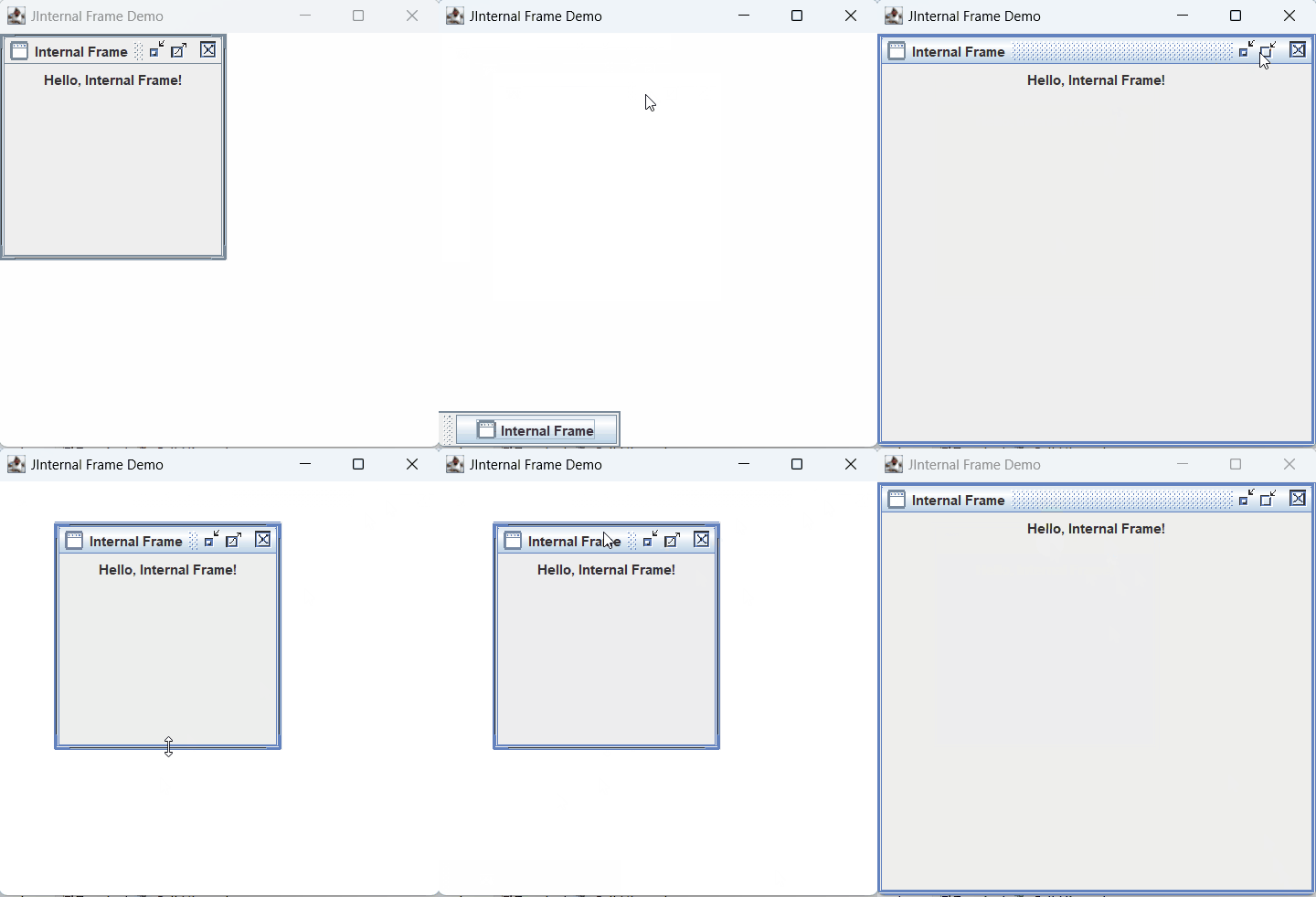
JDesktop internal frame in java swing

Related Posts:

  • What Is Java Swing? A Complete Guide to Java’s GUI Toolkit
  • JDesktopPane in Java Swing
  • What is AWT in Java?
  • Java Swing Tutorial
  • JLabel in Java Swing
  • Control Statements in Java
Tags:javaswing
Was this article helpful?
← Previous ArticleArrays in Java
Next Article →JDesktopPane and JInternalFrame in Java Swing

Recent Posts

  • How to implement Passwordless Authentication in Spring Boot: A Step-by-Step Guide
  • How to Use AWS CloudFront Signed URLs in Spring Boot?
  • How to Fix SSH Agent Forwarding on macOS: The Ultimate Guide for Developers
  • How to Read AWS Secrets Manager in Spring Boot (Step-by-Step)
  • How to Fix “Public Key Retrieval is not allowed” MySQL JDBC Error
CoderSathi

Your go-to resource for Java, Spring Boot, Microservices, AWS, and modern development tutorials.

Linkedin

Quick Links

  • About
  • Contact

Popular Topics

  • Java
  • Spring Boot
  • AWS
  • DevOps
  • MongoDB
  • Linux
  • Git
  • How to
© 2026 CoderSathi. All rights reserved. Privacy Policy · Sitemap